

Prevention & Brain Health
Caring for your brain starts before an injury ever happens.
Whether you’re skiing, biking, skating, or just living your day-to-day life, small choices can make a big difference. This page is here to help you learn simple ways to protect your brain, strengthen healthy habits, and feel confident in the steps you take. Even if you’ve never had a concussion, understanding how to care for your brain now can help you stay safe and strong later on.
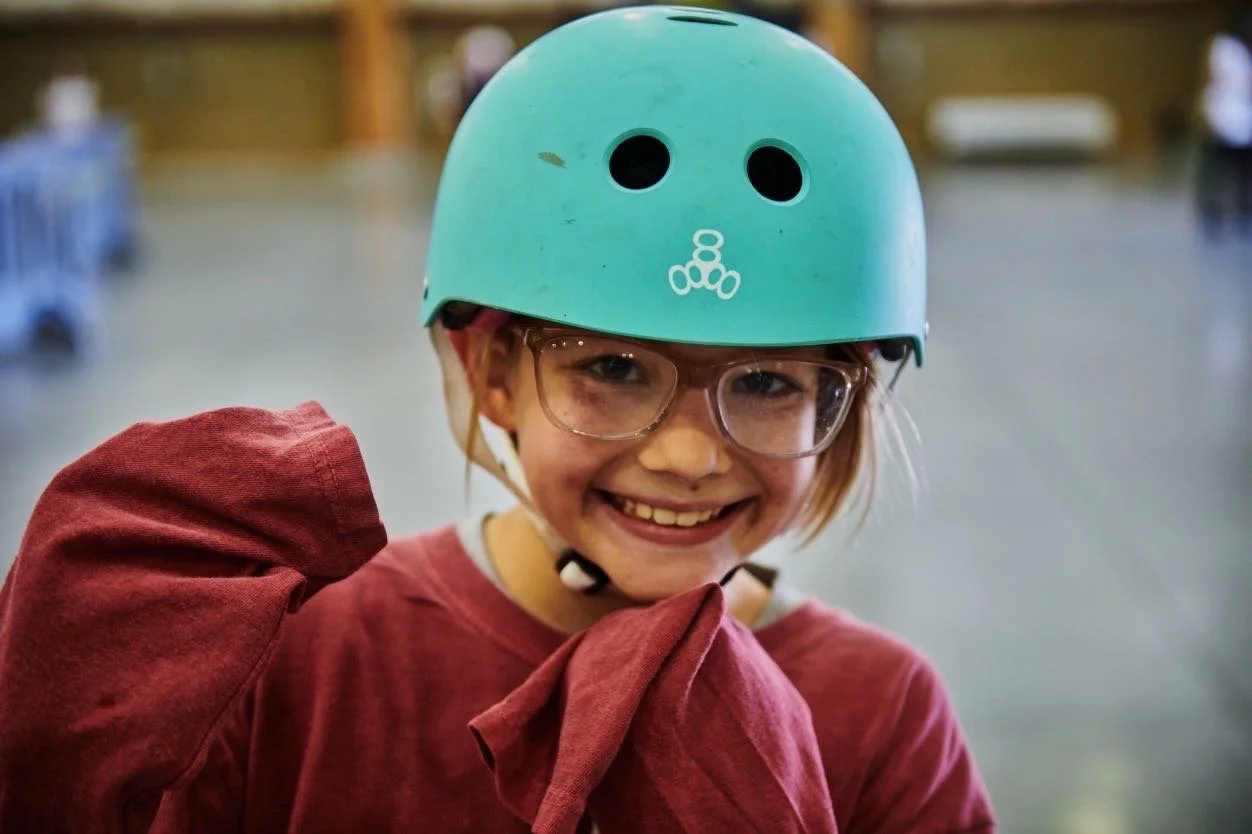
Everyday Brain Safety
Protecting your brain starts with simple choices. The right equipment and small daily habits can help prevent serious injuries before they happen. This section shares practical ways to stay safe, whether you’re on the mountain, the road, or just out having fun.
-
The right gear protects more than your body — it protects your future.
Mouth guards: Help absorb impact and protect your jaw.
Impact Shorts: Reduce bruising or injury from falls.
Helmets: Your most important piece of protection. Always wear one that fits properly.
-
A good helmet should feel snug but comfortable, sit level on your head, and stay in place when you move. Replace it after any major crash or every few years.
Learn more about choosing the right helmet on our blog.
-
Before every season, give your helmet a quick once-over:
Check the shell for cracks or soft spots.
Look for frayed or loose straps.
Make sure the inner foam isn’t crumbling.
If anything looks off — even slightly — it’s time for a new one.
[View Helmet Safety Checklist]

Brain Health
Your brain is the control center of everything you do, thinking, moving, feeling, and resting. Caring for it through healthy routines helps you feel more balanced and focused every day. Here you’ll find simple, realistic ways to keep your brain strong and supported.
-
Your brain is mostly water — and when you’re dehydrated, it can’t think, react, or recover as well. Keep a water bottle nearby and take small sips throughout the day. It doesn’t have to be perfect — consistency is what counts!
[Take a Water Break] -
Sleep is the body’s natural reset button. It’s when your brain organizes information, repairs itself, and stores energy for tomorrow. Create a simple nighttime routine: dim lights, stretch, or listen to calm music to help signal rest.
-
Food is fuel for your brain.
Feed Your Brain: Add fish, nuts, leafy greens, and colorful fruits — the natural brain boosters.
Watch for Triggers: Processed foods, caffeine, or too much sugar can increase inflammation or trigger headaches.
Start small — one healthy swap at a time.
[Download the Concussion Cookbook]
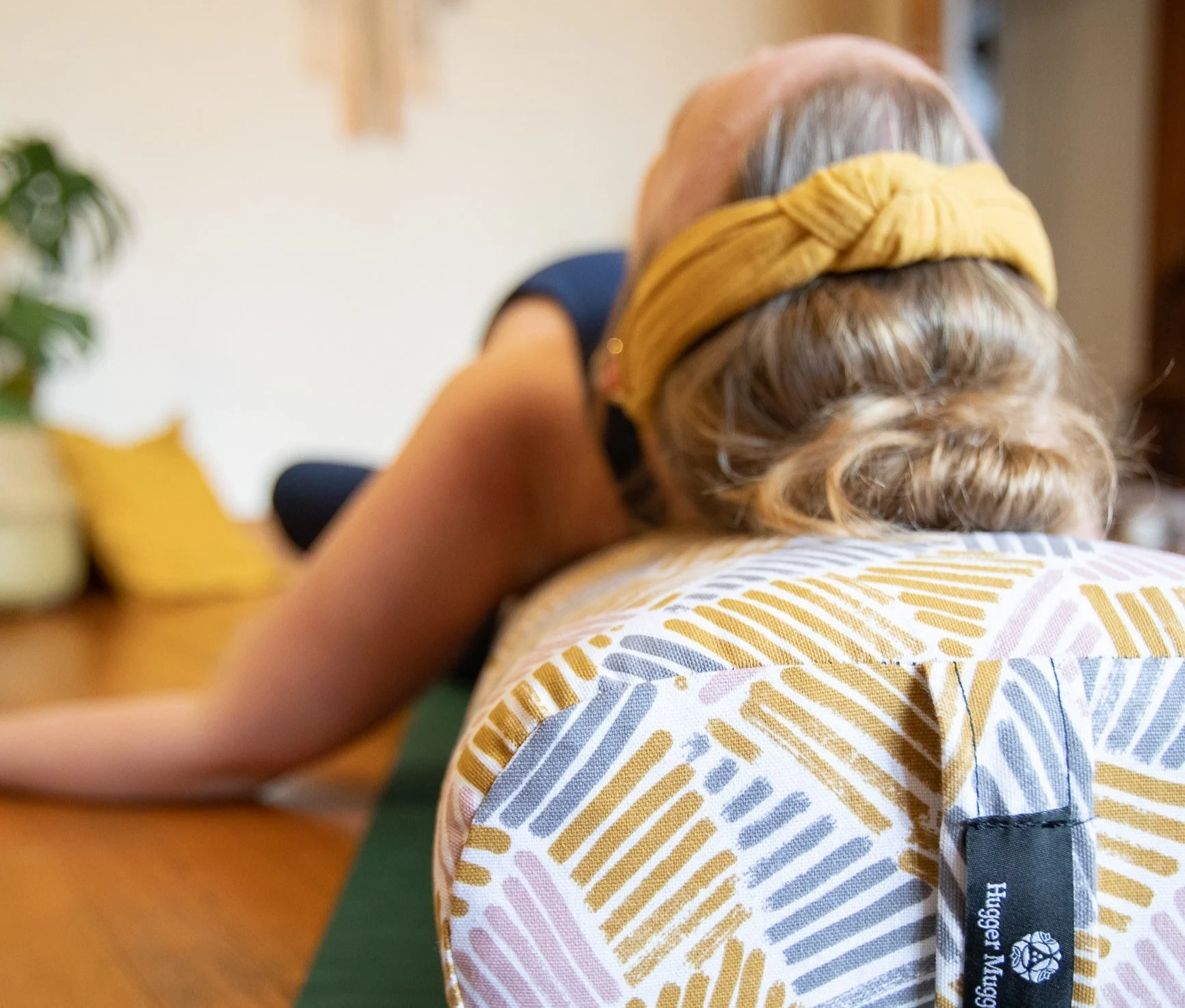
Stress Management
Your brain and body are deeply connected. When you calm your body, your brain feels safer and when your brain feels safe, it can heal and function better! These tools are gentle ways to help you find calm, ease tension, and support your nervous system.
-
Stretch gently, take a walk outside, or listen to quiet music. These moments of calm send powerful messages to your nervous system: “You’re safe.”
-
Meditation doesn’t have to mean silence or sitting still, it’s simply paying attention to the present moment. Try guided audio, light stretching, or just three deep breaths.
-
Feeling stressed right now? Breathe in for 4 counts, hold for 4, exhale for 4, hold for 4 — that’s it! Just a few rounds can steady your heart rate and help you feel grounded.
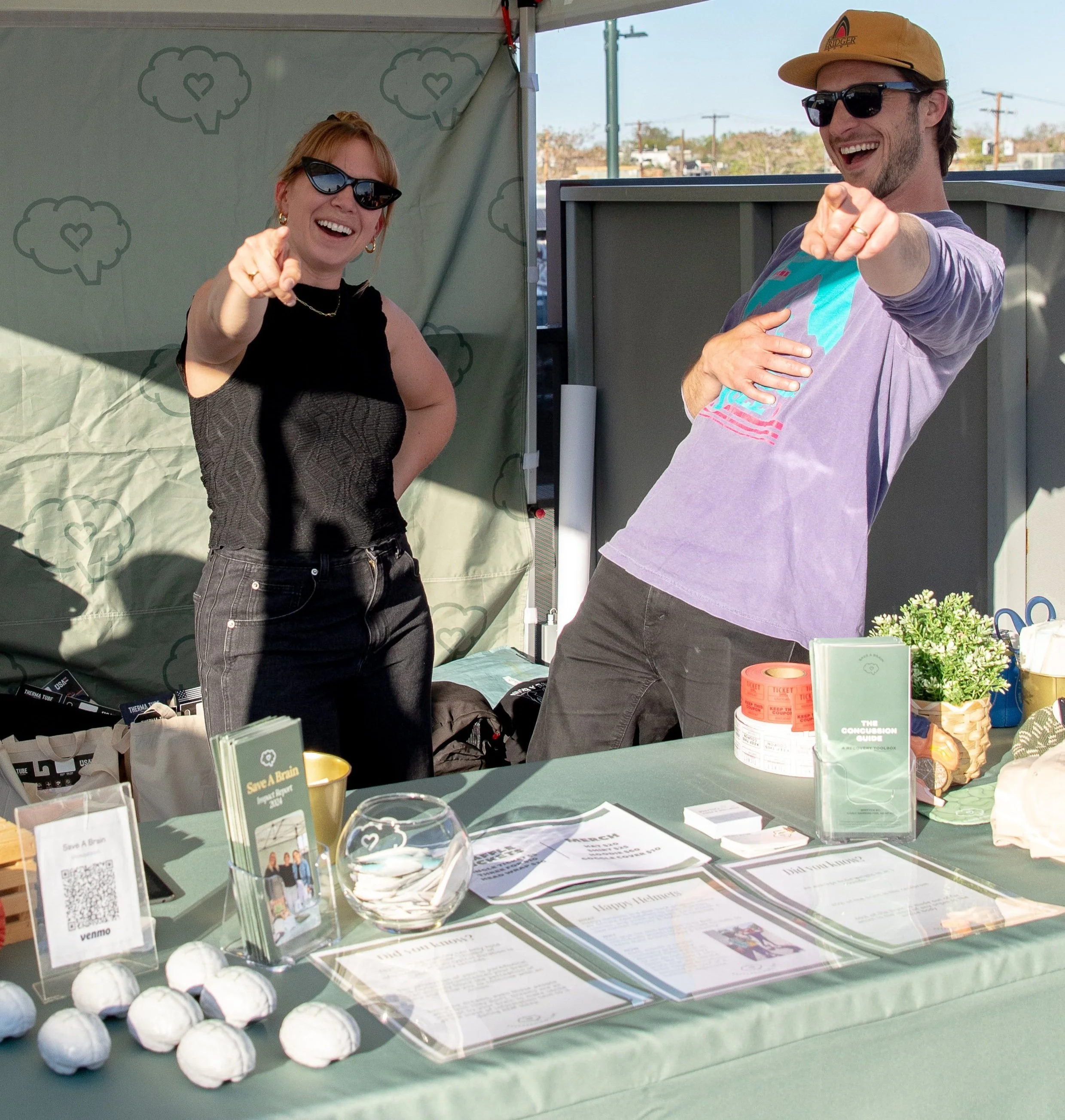
Education & Awareness
The more you know about brain health, the better you can protect yourself and the people you love! This section offers clear, trustworthy information about concussions, prevention, and what to do if an injury happens all in one place.
-
Not everything you hear about concussions is true! Learn what’s backed by research so you can make informed decisions.
-
Talk early and often about safety. Make helmets and honesty about symptoms normal, not optional.
-
Keep our guide handy — it explains symptoms, red flags, and early steps in clear, simple language.
[Download the Concussion Guide] -
Looking out for one another is the heart of prevention!
If you see someone take a hit or fall, check in. Ask, “Are you okay?” and watch for signs like dizziness, confusion, or fatigue. Sometimes a simple question can be the start of saving someone’s future.
Explore More Resources
Wherever you are in your journey, there’s more here to help you keep learning and healing.
You can keep exploring by visiting:
Prevention & Brain Health to learn simple, everyday steps to protect your brain.
Just Injured — What Now? to learn the first steps after a concussion.
On the Road to Recovery for tips and tools that support healing.
Healing Journey for support as you transition back to your routines.
Living With Lasting Symptoms if you’re managing long-term effects.
Supporting Loved Ones to help someone else through their recovery.
You don’t have to go through this alone — take your time, explore what feels helpful, and know that every page here was made with care for you.
The information provided here is intended for educational and awareness purposes only. It is not medical advice and should not be used to diagnose or treat any condition. Every brain injury is unique, and recovery looks different for everyone. If you believe you may have a concussion or traumatic brain injury, please seek care from a qualified medical provider who can evaluate your individual needs.